
Decode Classic VINs to Get Vehicle History Report and Build Sheet
Popular Articles
Document Your Restomod Donor Before Pulling the Original Engine
Buying a Restomod With Thin Paperwork: What the VIN Still Tells You
What to Check Before Buying a Restomod Car
How Vehicle History Reports Impact Classic Car Transactions
Paid Classic Car History Check Vs Free Report Compared
How to Check a Classic Car Auction History Before You Buy
How to Detect Mileage Rollback in Classic Cars
How to Spot Hidden Damage Before Buying a Classic Car
How a Build Sheet Helps in Classic Car Restoration
Build Sheet vs Car History Report: What’s the Difference?
Recommended Classic VIN Lookup Tools
Top Restomod Cars that Blend Classic Style with Modern Power
May 29, 2025
Key Takeaways
 Restomods combine classic vehicle styling with modern performance, comfort, safety, and technology upgrades.
- Popular restomod platforms include classic Mustangs, Camaros, Challengers, Corvettes, Chargers, trucks, and Porsche 911s.
- Researching an old car's original build can help owners understand its factory configuration before making major modifications.
The best restomod cars combine classic design with modern upgrades. They keep the character of vintage vehicles while adding better performance, comfort, safety, and everyday drivability.
Restomod is short for restoration and modification. Unlike a traditional restoration, a restomod can use modern engines, brakes, suspension, air conditioning, electronics, and other components that were not part of the original factory build.
Why Are Restomod Cars So Popular?
Restomods give classic car enthusiasts another way to enjoy older vehicles. The exterior can retain its original character while modern parts improve the driving experience.
The appeal is easy to understand. A classic car may have beautiful styling but lack modern braking, cooling, suspension, comfort, or electrical systems. A restomod can address those weaknesses without completely changing the vehicle's identity.
Modern upgrades can include fuel-injected engines, overdrive transmissions, disc brakes, improved suspension, air conditioning, modern wheels, upgraded lighting, and contemporary entertainment systems.
READ ALSO: What to Check Before Buying a Restomod
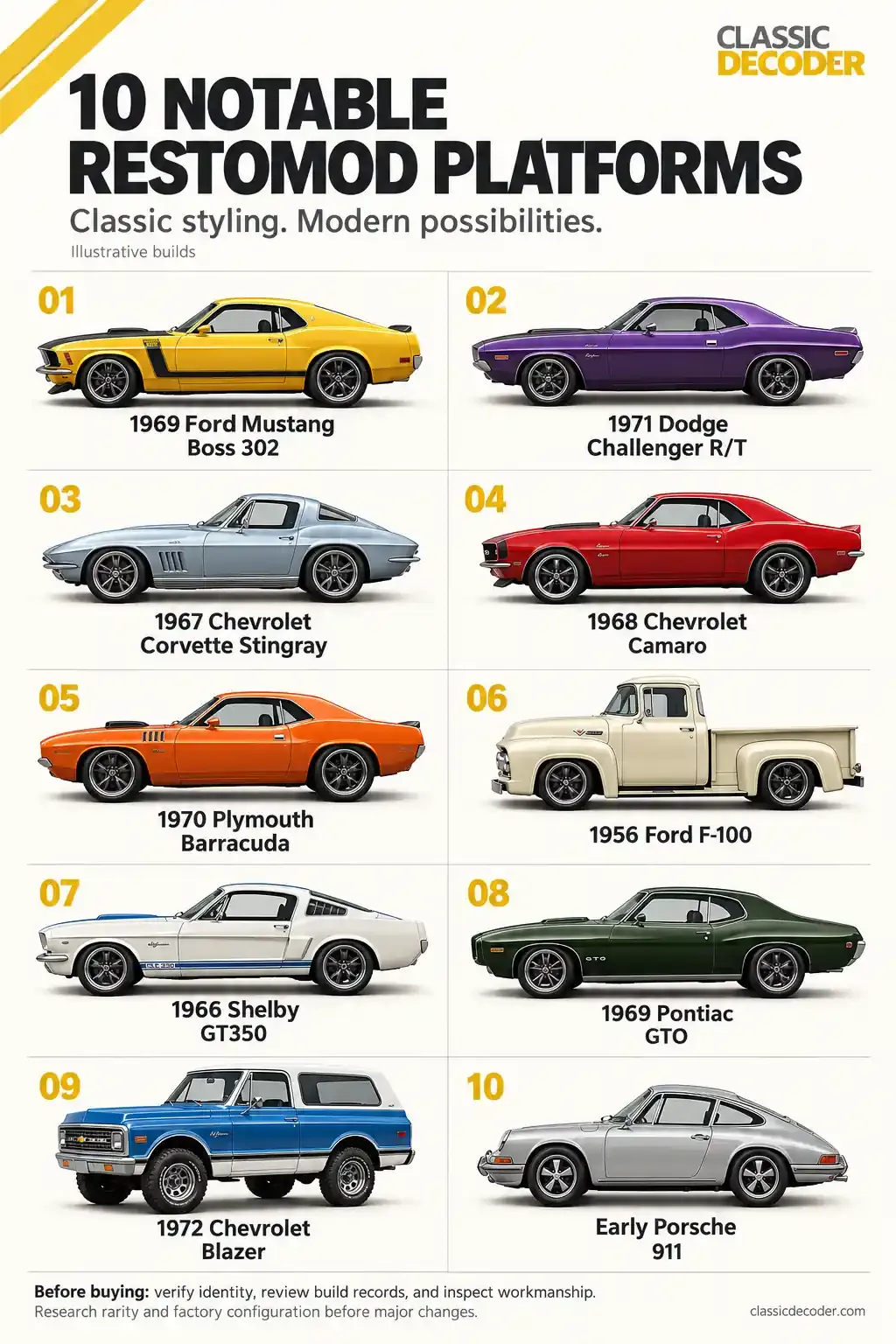
10 Notable Restomod Cars You Should Know
There are many classic vehicles that work well as restomod projects. The following models stand out because of their styling, history, popularity, and potential for modern upgrades.
1. 1969 Ford Mustang Boss 302
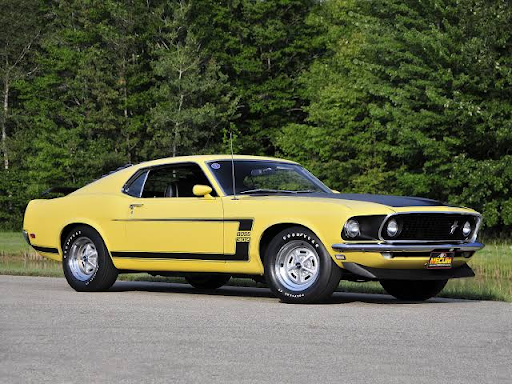
The 1969 Ford Mustang Boss 302 is a famous American performance car with strong links to Ford's Trans-Am racing efforts.
Its aggressive styling makes it an attractive base for a modernized build. A restomod can retain the classic body while upgrading the engine, suspension, brakes, steering, wheels, and interior.
Modern builds may also add improved cooling, fuel delivery, air conditioning, and updated electrical systems.
2. 1971 Dodge Challenger R/T
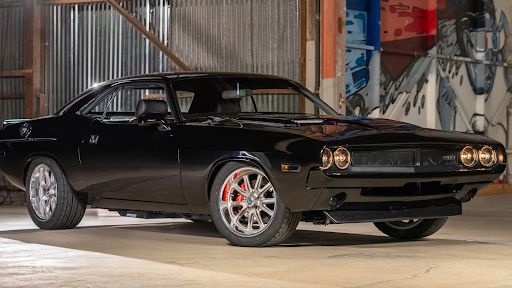
The 1971 Dodge Challenger R/T is one of the most recognizable muscle cars of its era. Its wide stance, long hood, and bold styling remain popular with enthusiasts.
A restomod Challenger can receive a modern V8, upgraded transmission, suspension, brakes, wheels, and tires.
Some modernized builds use newer high-output Mopar powertrains, but those engines are modifications rather than equipment found in the original 1971 Challenger.
3. 1967 Chevrolet Corvette Stingray
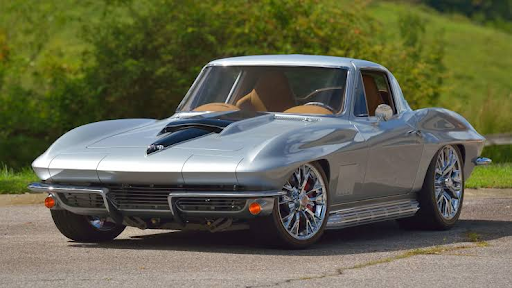
The 1967 Chevrolet Corvette is one of the most recognizable C2 Corvettes. Its long hood, split-window-free rear design, and muscular proportions give it strong restomod appeal.
A modernized Corvette may receive an LS-series engine, upgraded brakes, modern suspension, improved steering, larger wheels, and a redesigned interior.
Builders can also improve cooling, electrical systems, air conditioning, and other areas while keeping much of the original exterior design.
4. 1968 Chevrolet Camaro
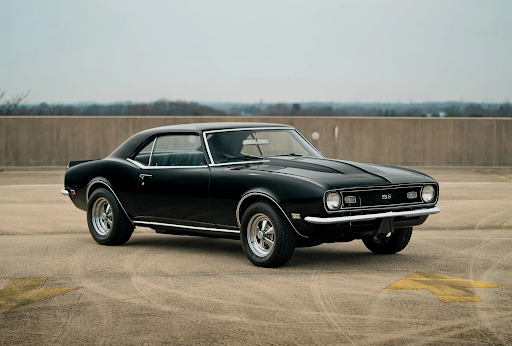
The first-generation Chevrolet Camaro remains a popular platform for custom and restomod builds.
Modern versions can use newer GM V8 engines, upgraded transmissions, coilover suspension, disc brakes, modern steering, and improved wheels and tires.
The interior can also receive updated seats, gauges, air conditioning, sound systems, and other comfort features.
5. 1970 Plymouth Barracuda
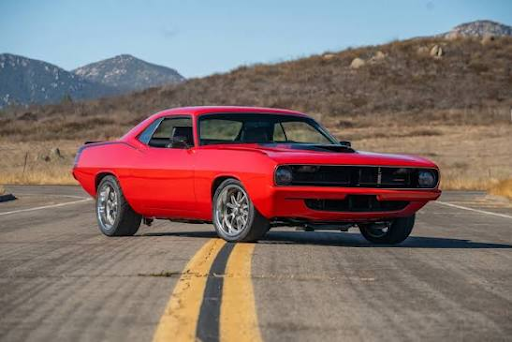
The 1970 Plymouth Barracuda, especially the high-performance 'Cuda versions, is one of the most recognizable Mopar muscle cars.
A restomod can retain its aggressive body styling while adding modern suspension, brakes, steering, wheels, tires, and drivetrain components.
Some builds use modern Mopar V8 engines and updated transmissions to create a very different driving experience from the original car.
6. 1956 Ford F-100
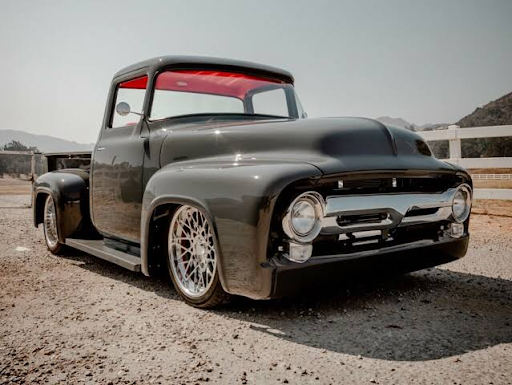
The 1956 Ford F-100 shows that restomods are not limited to muscle cars. Classic pickups are also popular platforms for modern builds.
A restomod F-100 can receive an updated engine, independent suspension, modern brakes, power steering, air conditioning, and improved electrical components.
The cabin can also be redesigned with better seats, sound systems, gauges, and climate control while keeping the classic truck appearance.
7. 1966 Shelby GT350
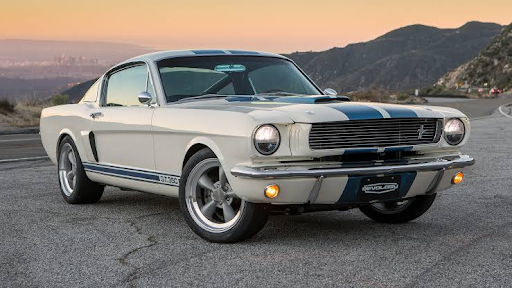
The Shelby GT350 brought high-performance engineering to the Mustang platform and became an important part of American performance-car history.
A modernized build can use a newer Ford V8, upgraded suspension, improved brakes, modern tires, and a more comfortable interior.
However, owners should carefully consider originality before modifying an authentic Shelby because historically significant examples may have different priorities than ordinary project cars.
8. 1969 Pontiac GTO
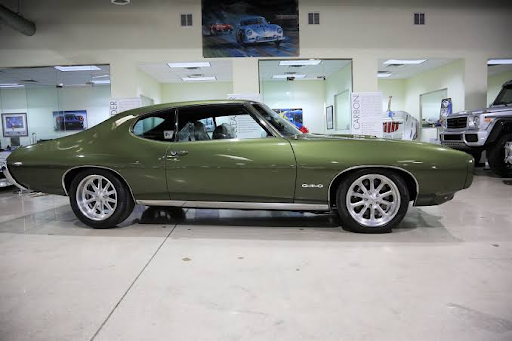
The 1969 Pontiac GTO is another classic muscle car with strong restomod potential. Its styling and performance-focused identity make it an attractive project for enthusiasts.
Modern builds may use newer engines, upgraded suspension, disc brakes, improved steering, modern wheels, air conditioning, and updated electrical systems. The interior can also be refreshed with modern seats, gauges, audio equipment, and climate control.
9. 1972 Chevrolet Blazer
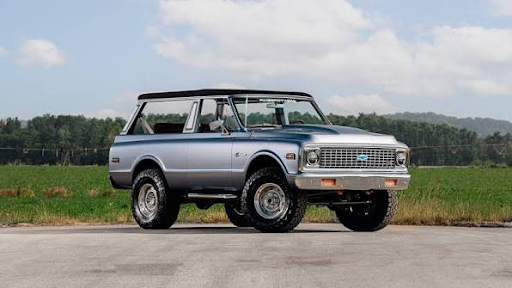
The 1972 Chevrolet Blazer is a classic SUV that can make an impressive restomod project.
Modernized builds can add newer engines, upgraded suspension, stronger brakes, modern steering, improved wheels and tires, air conditioning, and updated electrical systems.
Some builds also focus on off-road performance with modern drivetrains and suspension components.
10. Early Porsche 911
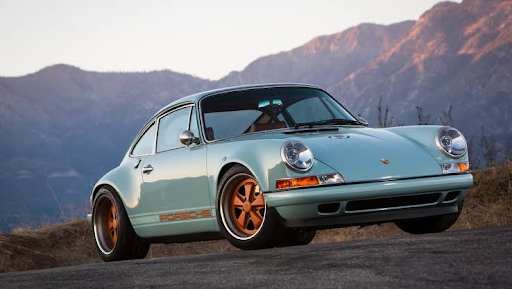
The early Porsche 911 is another strong foundation for a modernized classic. Porsche introduced the original 911 publicly in 1963, and production began in 1964.
This makes calling it a “1965 Porsche 911” possible, but it is better to discuss the early 911 generation rather than treating 1965 as the introduction year.
Restomod-style 911 builds can include improved brakes, suspension, steering, wheels, seats, electrical systems, and carefully developed engine upgrades.
What Makes These Cars Good Restomod Platforms?
A strong restomod platform usually has a combination of attractive styling, mechanical support, available parts, and enough space for modern components.
Here’s why these cars are a perfect fit for restomod.
Classic Styling
A recognizable body design gives a restomod its visual appeal. Many builders prefer to keep the exterior close to the original while making changes underneath.
Modern Performance Potential
Muscle cars and sports cars often have enough engine bay and chassis space to support modern powertrains, suspension systems, brakes, and other upgrades.
Parts Availability
A large aftermarket makes it easier to find replacement panels, suspension components, brake kits, wheels, electrical systems, and interior parts.
Room for Personalization
Restomods allow owners to decide how far they want to go. One project may only need better brakes and air conditioning, while another may receive a completely modern drivetrain.
How Do Restomods Differ From Traditional Restorations?
A traditional restoration aims to return a vehicle to its original factory specification. A restomod intentionally adds modern components that were not authentic to the original vehicle.
For example, a traditional restoration may use the correct original-style brakes, while a restomod may install a modern disc brake system.
The same applies to engines, transmissions, suspension, air conditioning, wheels, electrical systems, and interior equipment.
What Should You Check Before Buying a Restomod?
A restomod can look perfect on the outside while hiding poor workmanship, incomplete modifications, or problems with its mechanical systems.
Before buying one, inspect both the finished appearance and the work underneath.
Check the Vehicle Identification Number (VIN)
Looking up the VIN can help confirm the vehicle's identity and basic specifications. Pre-1981 vehicles can have shorter VINs (5-14 digits) and need a specialized restomod VIN check tool to access any available specs and records.
Review the Build Records
Ask for receipts, photographs, parts lists, restoration records, and other documents showing what was changed.
Good documentation can make it easier to understand the quality and scope of the work.
Check the Original Configuration
Find out how the car was equipped when it left the factory. This is especially important if the vehicle is rare or historically significant. A classic car build sheet can help you identify original equipment, options, colors, and other factory details.
Inspect the Mechanical Work
Look beyond the paint and interior. For an expensive project, get a qualified classic car specialist to check the engine, transmission, brakes, suspension, wiring, cooling system, steering, exhaust, and underbody.
How Classic Decoder Can Help With a Restomod
Before buying or restoring a classic vehicle, knowing its original configuration can give you useful information about the project.
Classic Decoder provides classic car VIN decoding, build sheets, and vehicle history reports that can help you research an old vehicle before making a purchase or starting a restomod.
These tools do not replace a professional inspection, but they can give you supporting information before spending money on a classic vehicle.
Are Restomod Cars Worth Considering?
A restomod can be a practical way to enjoy a classic car while adding features that make it easier to drive today.
However, the quality of the build matters. A carefully engineered restomod can be very different from a car that simply received a powerful engine and a fresh coat of paint.
Conclusion on Choosing the Best Restomod Car
Restomod cars bring classic design and modern automotive technology together. They can offer better braking, handling, comfort, reliability, and performance while keeping the character that makes vintage vehicles special.
If you are buying or building a restomod, start by understanding the vehicle's original specifications and history. A classic car build sheet and VIN lookup can help you know what the vehicle was originally equipped with.
FAQs About the Best Restomod Cars
A traditional restoration aims to return a vehicle to its original factory condition, while a restomod keeps the classic character but adds modern parts that improve performance, safety, comfort, reliability, or drivability.
It depends. A restomod can be worthwhile for someone who wants classic styling with modern driving features. However, costs, build quality, originality, documentation, and future buyer demand should be considered before purchasing one.
Popular restomod platforms include classic Mustangs, Camaros, Corvettes, Challengers, Chargers, GTOs, F-100s, Blazers, and Porsche 911s because they offer recognizable styling and strong aftermarket support.
Yes. A modified classic can still be considered a classic vehicle, although definitions vary among owners, insurers, clubs, and organizations.
Yes. A restomod can affect value in different ways. Some buyers prefer modern upgrades, while others want originality. The vehicle's rarity, build quality, documentation, and type of modifications can all influence buyer interest.
Before buying, confirm the VIN details and available history records, then review build documents and inspect the mechanical work. A professional inspection can help identify problems that are difficult to see during a normal viewing.
Yes. Getting the original build information can be helpful before modifying a classic. It can show factory equipment, options, colors, and other specifications, helping you decide what to preserve or change.

Content Writer
Adewale Peter is an automotive researcher and writer specializing in classic and pre-1981 VINs, historical vehicle identification, factory documentation, and classic-vehicle records. He writes about older VIN formats, archival research, Build Sheets, title and registration issues, and the limitations of modern decoding tools when applied to classic vehicles.