
Decode Classic VINs to Get Vehicle History Report and Build Sheet
Popular Articles
Document Your Restomod Donor Before Pulling the Original Engine
Buying a Restomod With Thin Paperwork: What the VIN Still Tells You
What to Check Before Buying a Restomod Car
How Vehicle History Reports Impact Classic Car Transactions
Paid Classic Car History Check Vs Free Report Compared
How to Check a Classic Car Auction History Before You Buy
How to Detect Mileage Rollback in Classic Cars
How to Spot Hidden Damage Before Buying a Classic Car
How a Build Sheet Helps in Classic Car Restoration
Build Sheet vs Car History Report: What’s the Difference?
Recommended Classic VIN Lookup Tools
How To Find Classic Car Values By VIN Number Before You Buy, Sell, Or Restore
May 27, 2023
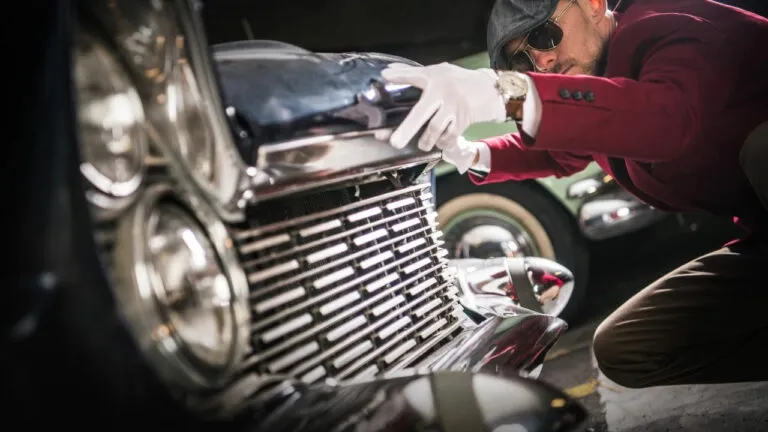
You can use a VIN to help estimate classic car values, but the VIN does not set the price by itself. It helps confirm what the vehicle is, what specs it may have, and what records may affect its value.
A VIN-based check is a smart starting point before buying, selling, insuring, or restoring a classic car. For a broader estimate, you can also compare the VIN details with a classic car values tool, market listings, condition reports, and recent sales.
Key Takeaway
 A VIN number helps confirm a classic car’s identity, specs, and possible history records.
- Classic car values by VIN should also consider condition, originality, rarity, documents, and demand.
- Use VIN data as the starting point, not the final price.
What Does Classic Car Value Really Mean?
Classic car value is the estimated market worth of an older vehicle based on its identity, condition, originality, demand, and history. Sounds simple. It isn’t always.
Two cars can share the same year, make, and model but sit thousands of dollars apart in value. One may have original paint, matching drivetrain, clean records, and careful ownership. The other may have a swapped engine, title issues, rust under fresh paint, and a seller who “forgot” half the story.
That’s why the VIN matters. It gives you a place to start.
1. Value Is More Than A Price Tag
A classic car’s value reflects more than what someone asks online. Asking price is hope. Sale price is reality.
Condition, rarity, documentation, and buyer demand all shape the final number.
2. Value Changes By Purpose
A buyer wants to avoid overpaying. A seller wants a fair listing price. A flipper wants margin. An insurance company wants a defensible value. Same car, different goals.
3. Value Can Move With The Market
Classic car prices can shift as collector tastes change. Muscle cars, vintage trucks, Japanese classics, and restomods can all rise or cool depending on demand, nostalgia, and parts availability.
How To Find Classic Car Values By VIN Number
To estimate classic car values by VIN number, use the VIN as the first clue, then build the full picture around it.
1. Decode The VIN First
Start by decoding the VIN to confirm the vehicle’s basic identity and specifications. This gives you the foundation: year, make, model, engine, transmission, and other key details when available.
If the VIN does not match the vehicle description, slow down. A mismatch does not always mean fraud, but it always deserves a closer look.
2. Check The Vehicle History
Next, check whether the VIN is tied to title issues, accident records, theft records, auction activity, odometer problems, or salvage history.
A clean-looking classic with a branded title may still be worth buying, but not at the same price as a clean-title example in similar condition.
3. Verify Originality
Originality matters in the classic market. Matching engine, correct transmission, factory paint, original trim, and documented options can raise value.
Of course, not every modified car is worth less. Some restomods bring strong money. But buyers need to know what they’re paying for: factory originality, tasteful upgrades, or someone else’s unfinished project.
4. Inspect The Condition
Condition can make or break value. Look at rust, paint quality, panel gaps, interior wear, frame condition, engine health, suspension, brakes, glass, and electrical systems.
A car can look sharp in photos and still hide a horror show underneath. We’ve all seen that “freshly restored” listing that somehow needs everything.
5. Compare Market Prices
Once you know what the car is, compare it with similar vehicles. Look at recent sales, auction results, dealer listings, and private-party prices.
For model-specific context, a guide like how much a 1965 Ford Mustang is worth today can help you see how one popular classic is priced by condition, originality, and buyer demand.
What Factors Affect Classic Car Value?
A VIN helps verify the car, but the final value depends on several moving parts.
1. Condition
Condition is the big one. A rust-free, well-documented car will usually command more than a similar model needing major bodywork.
Mechanical condition matters too. A tired engine, slipping transmission, or weak brakes can pull value down fast.
2. Rarity
Limited production models, special trims, rare engines, and low-survival vehicles often bring more attention.
But rarity alone is not enough. A rare car still needs demand.
3. Originality
Original paint, correct drivetrain, factory interior, and proper documentation can add value, especially for collectors.
On the flip side, a modified car may still be desirable if the work is high quality and the market wants it.
4. Documentation
Titles, registrations, service records, build sheets, receipts, and old photos help support the car’s story.
Documentation turns “trust me” into “here’s the proof.”
5. Market Demand
Some vehicles have broad buyer appeal. Others attract a smaller group of passionate collectors. Demand affects how quickly a car sells and how strong the price can be.
If you are valuing an older pickup, this classic truck value guide is useful because truck pricing often follows a different rhythm than muscle cars or luxury coupes.
Can A VIN Tell You If A Classic Car Is A Good Investment?
A VIN can help, but it cannot predict the future. That’s the mild contradiction: VIN data is powerful, but value still depends on people, timing, condition, and taste.
1. It Helps Reduce Risk
A VIN can help reveal whether the car matches its paperwork and whether serious records may affect value.
2. It Helps Confirm The Story
If the VIN, title, specs, and condition all support the seller’s claims, the car becomes easier to value.
3. It Does Not Guarantee Profit
Classic cars can appreciate, but they also need storage, maintenance, insurance, repairs, and patience. Before treating a vehicle like an asset, read more about classic car investments and the risks behind the shine.
Common Mistakes When Using VIN To Estimate Value
A VIN is useful. Using it the wrong way? Not so useful.
1. Pricing The Car By VIN Alone
The VIN may confirm identity, but condition decides a huge part of value. Never price a car without inspection.
2. Ignoring Title And Odometer Issues
A branded title, mileage discrepancy, or salvage record can affect buyer confidence and resale price.
3. Comparing The Wrong Cars
Do not compare a restored, numbers-correct convertible with a rough coupe just because the model name matches. Details matter.
4. Forgetting Market Mood
Collector interest changes. Some cars heat up. Some cool off. If you’re wondering about long-term demand, this article on whether classic cars will be worthless gives useful context without the panic.
Final Thoughts
Finding classic car values by VIN number is really about building a complete picture. The VIN tells you what the car is. History records show what it may have been through. Condition, originality, and market demand help decide what it is worth.
So don’t guess from a shiny photo or a seller’s big story. Decode the VIN, check the records, inspect the car, and compare the market. When you’re ready to estimate a fair range, use a classic car values tool as part of that bigger research process.
That’s how you protect your money and maybe your dream car too.

Content Writer
Adewale Peter is an automotive researcher and writer specializing in classic and pre-1981 VINs, historical vehicle identification, factory documentation, and classic-vehicle records. He writes about older VIN formats, archival research, Build Sheets, title and registration issues, and the limitations of modern decoding tools when applied to classic vehicles.